How to Choose Infill Percentage for Strength: Tips (2026)
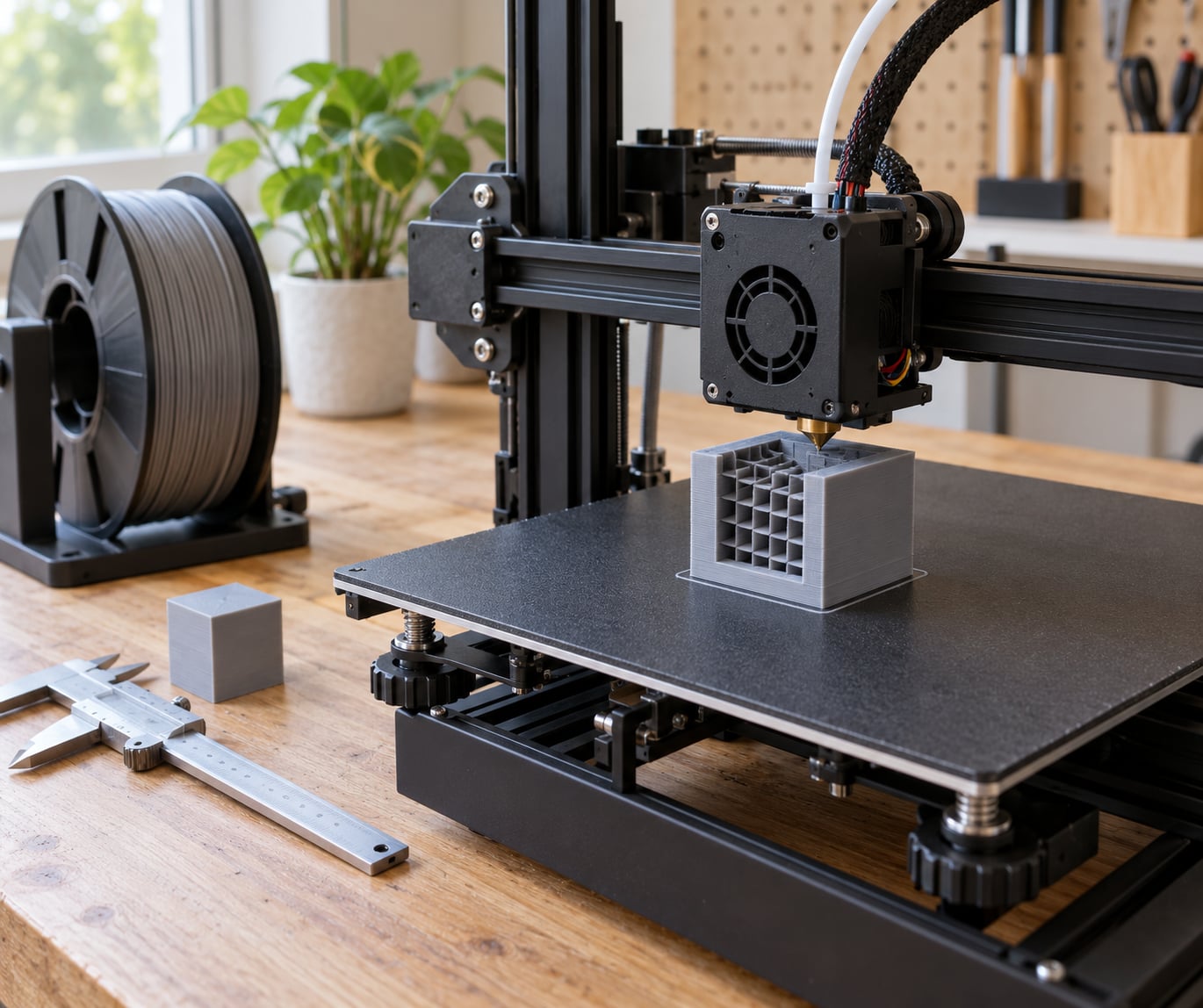
For most functional FDM parts, 30-40% infill with three or four walls and a cubic, gyroid or tri-hexagon pattern is the sweet spot for … Read more

For most functional FDM parts, 30-40% infill with three or four walls and a cubic, gyroid or tri-hexagon pattern is the sweet spot for … Read more
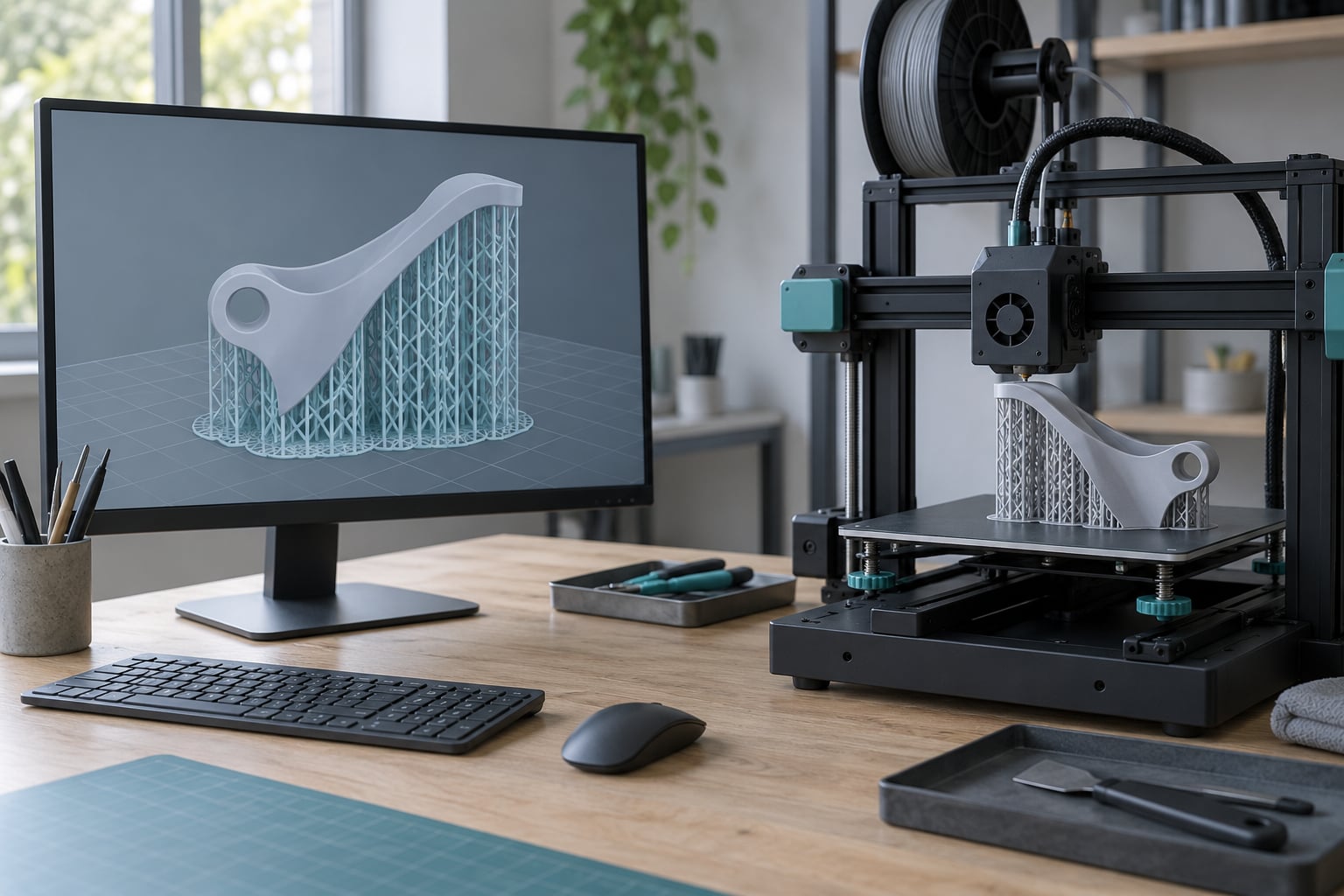
If your prints have lumpy arms, collapsed roofs or droopy faces, the fix usually takes about five minutes in your slicer. Learning how to … Read more
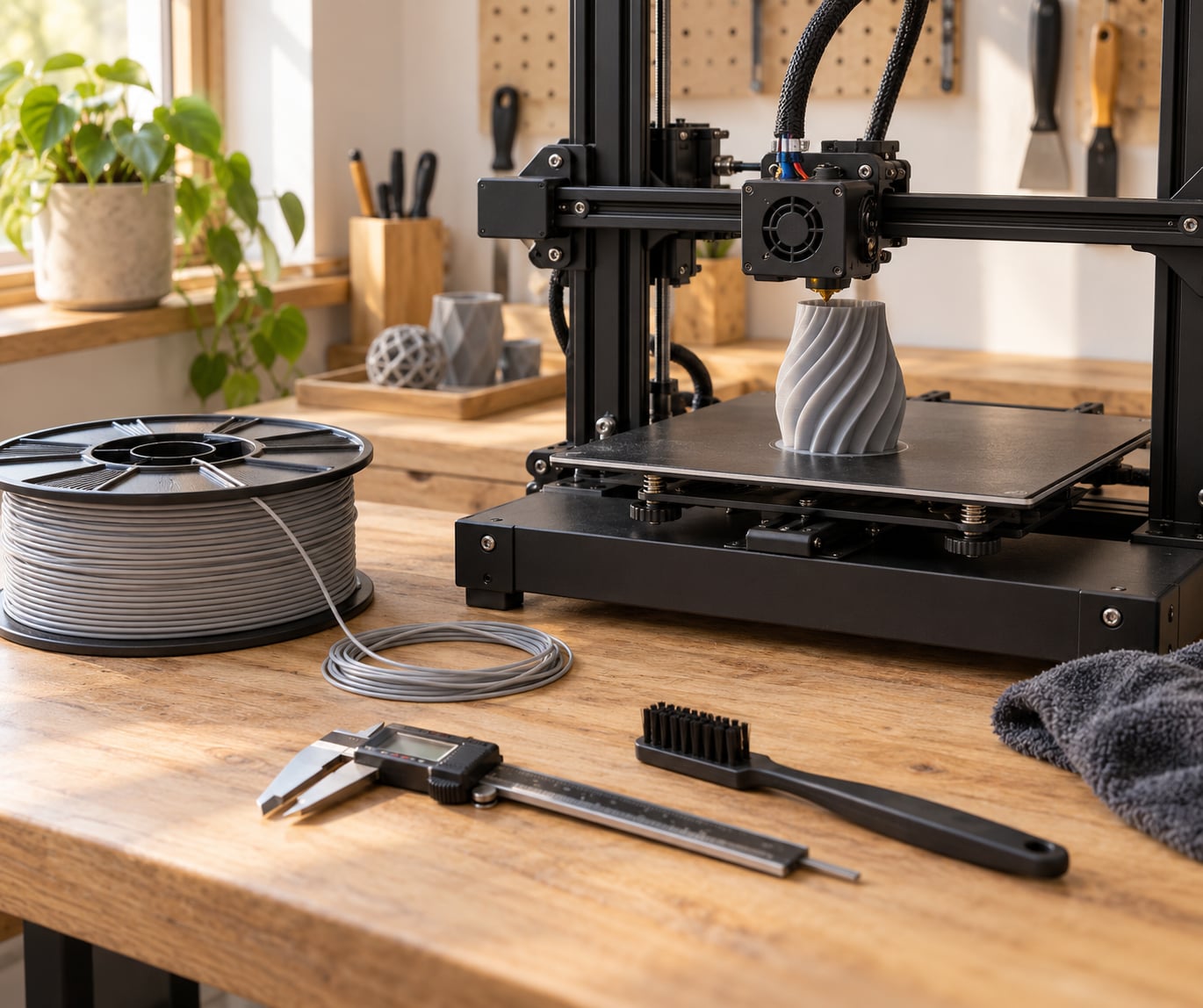
If your printer is laying down less plastic than the slicer asked for, there are four families of causes: a restricted filament path, a … Read more
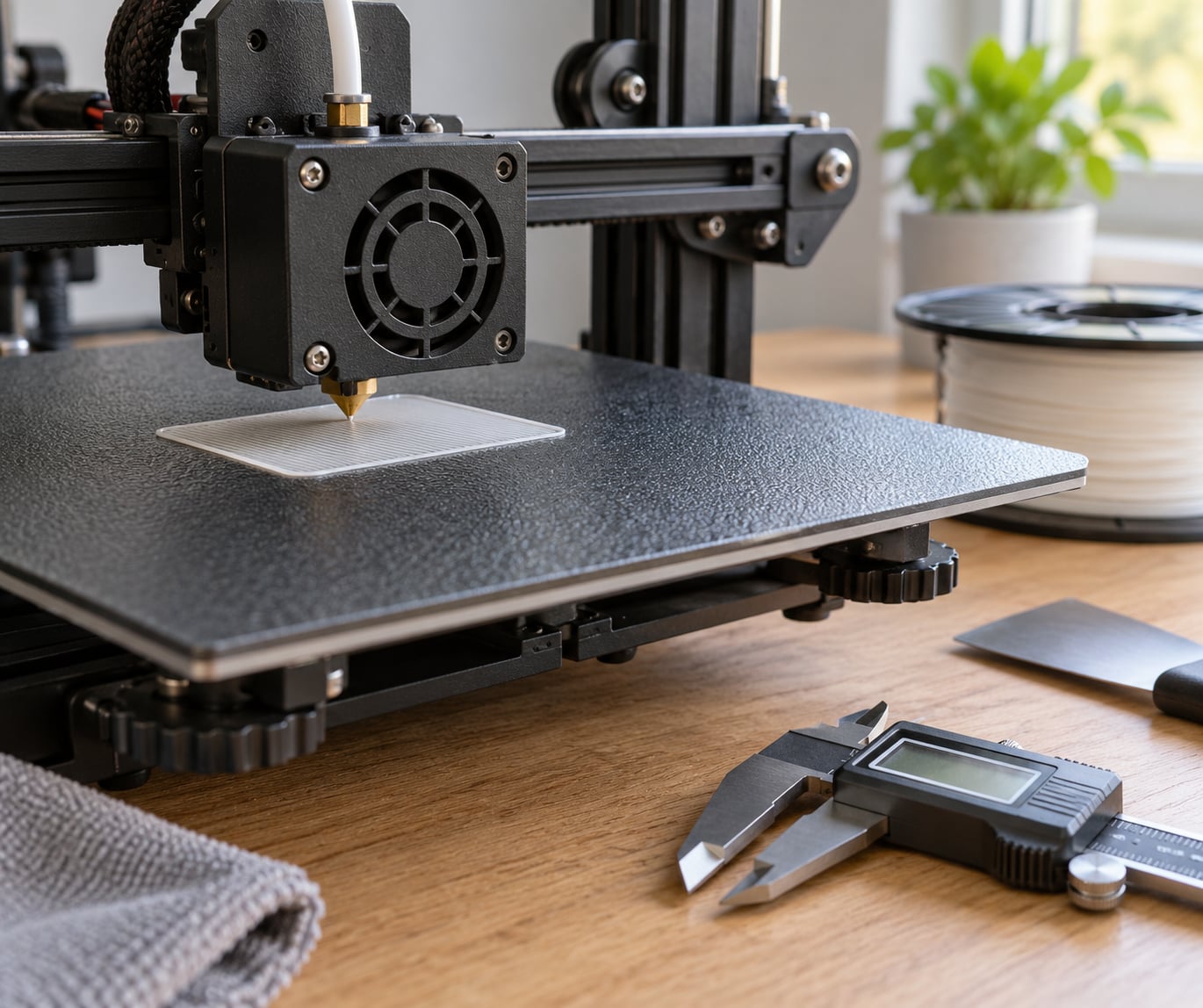
Elephant’s foot is the flare where the bottom one to three layers of an FDM print spread wider than the part sitting on top … Read more
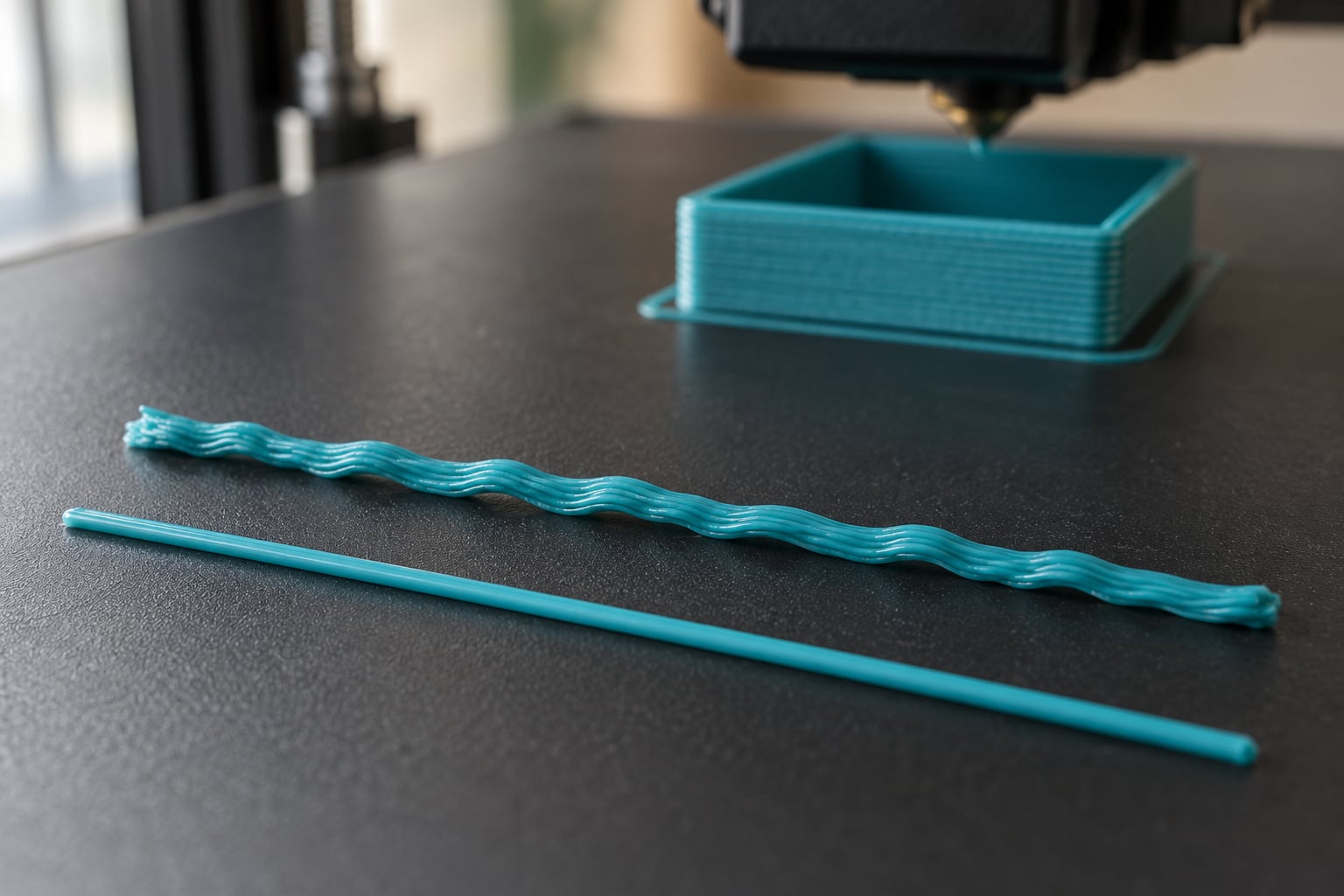
A wavy first layer is almost always one of six things: a Z-offset that is too low, a flow rate or extrusion width that … Read more
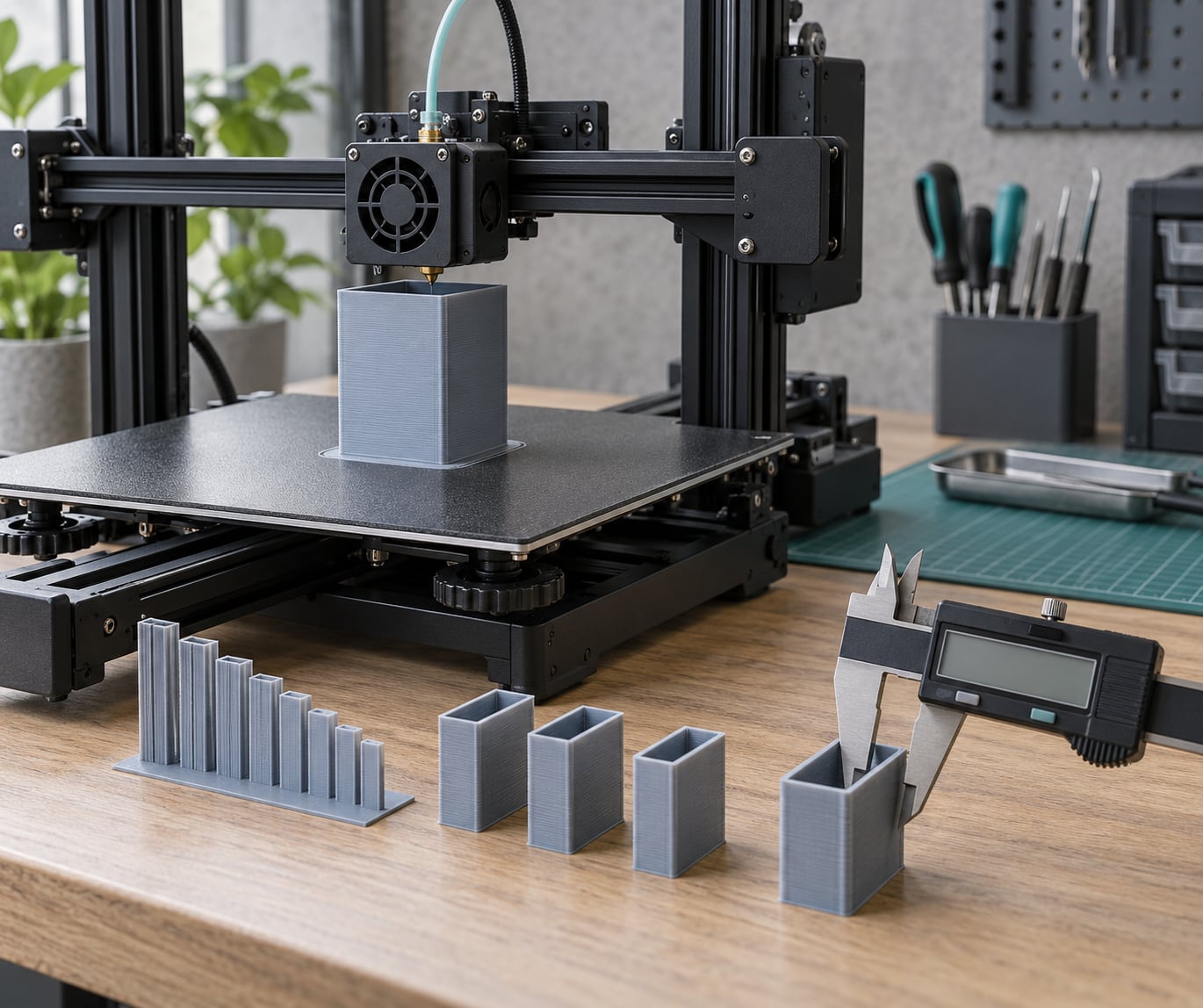
What layer height should I use for 3D printing? On a standard 0.4 mm nozzle, start at 0.2 mm. That is the value most … Read more
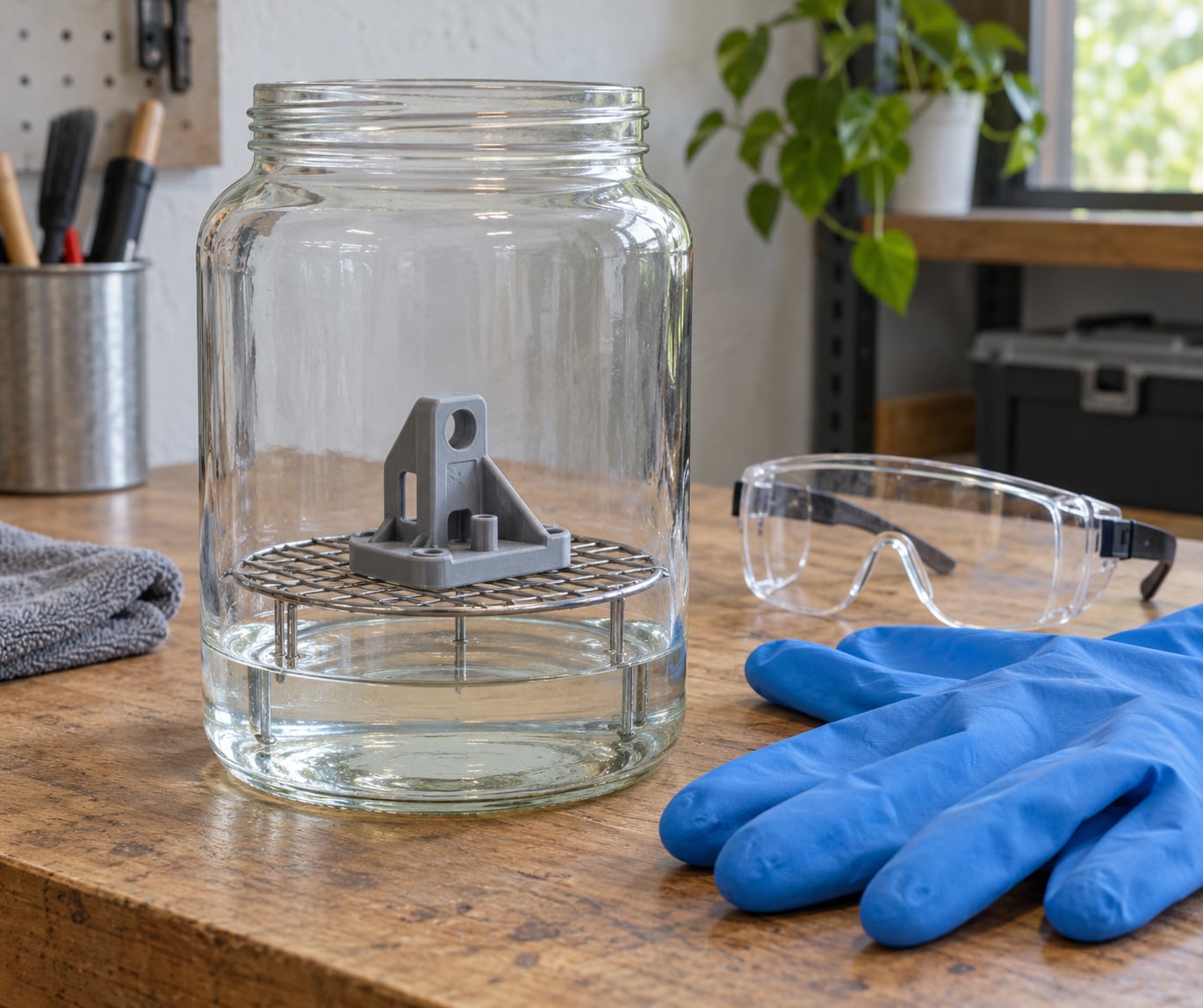
Acetone vapor smoothing works by floating an ABS or ASA print a few centimetres above acetone in a loosely covered container and letting the … Read more
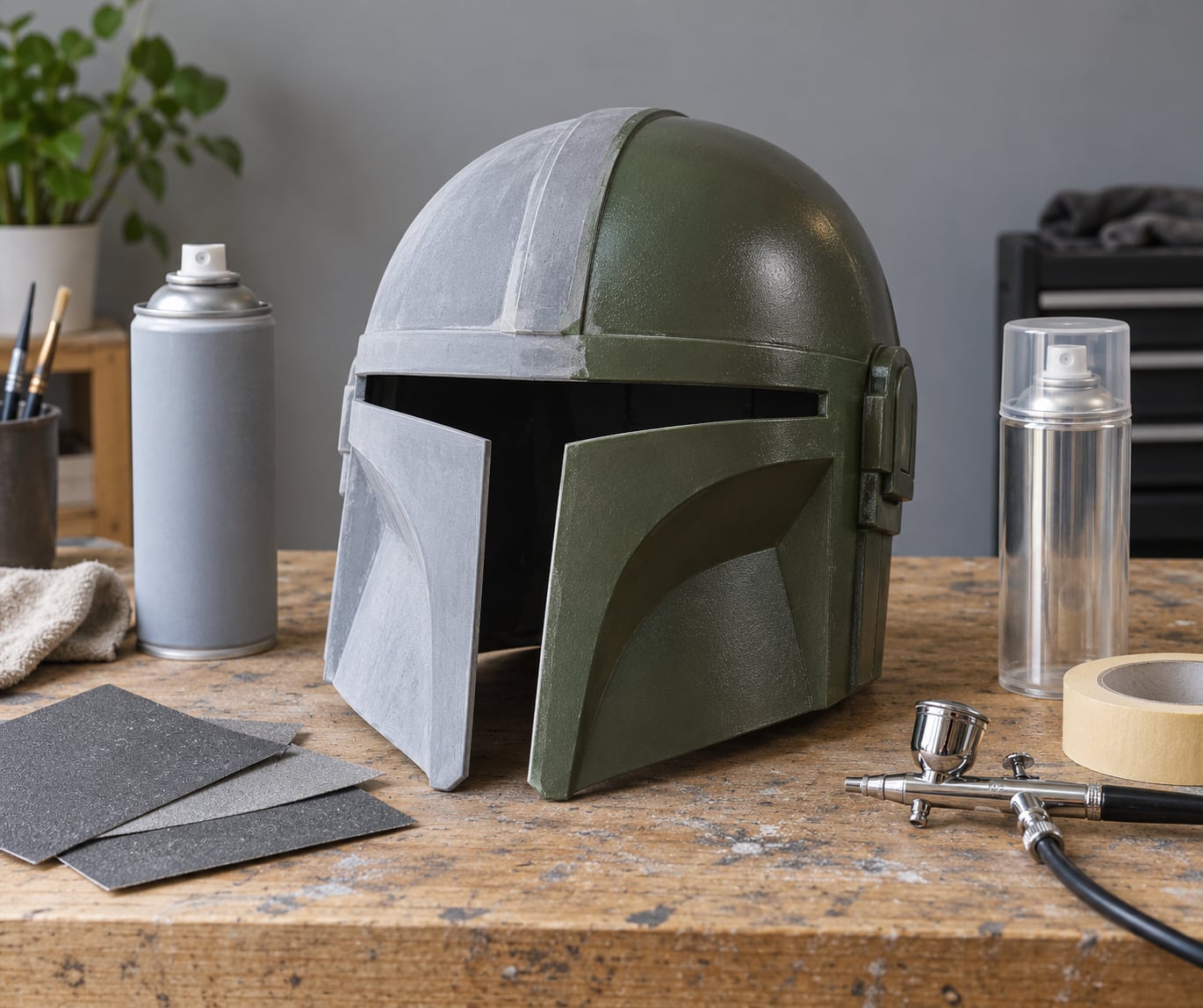
Painting PLA prints for a professional finish comes down to four stages in order: level the surface, sand through a grit progression, prime it, … Read more
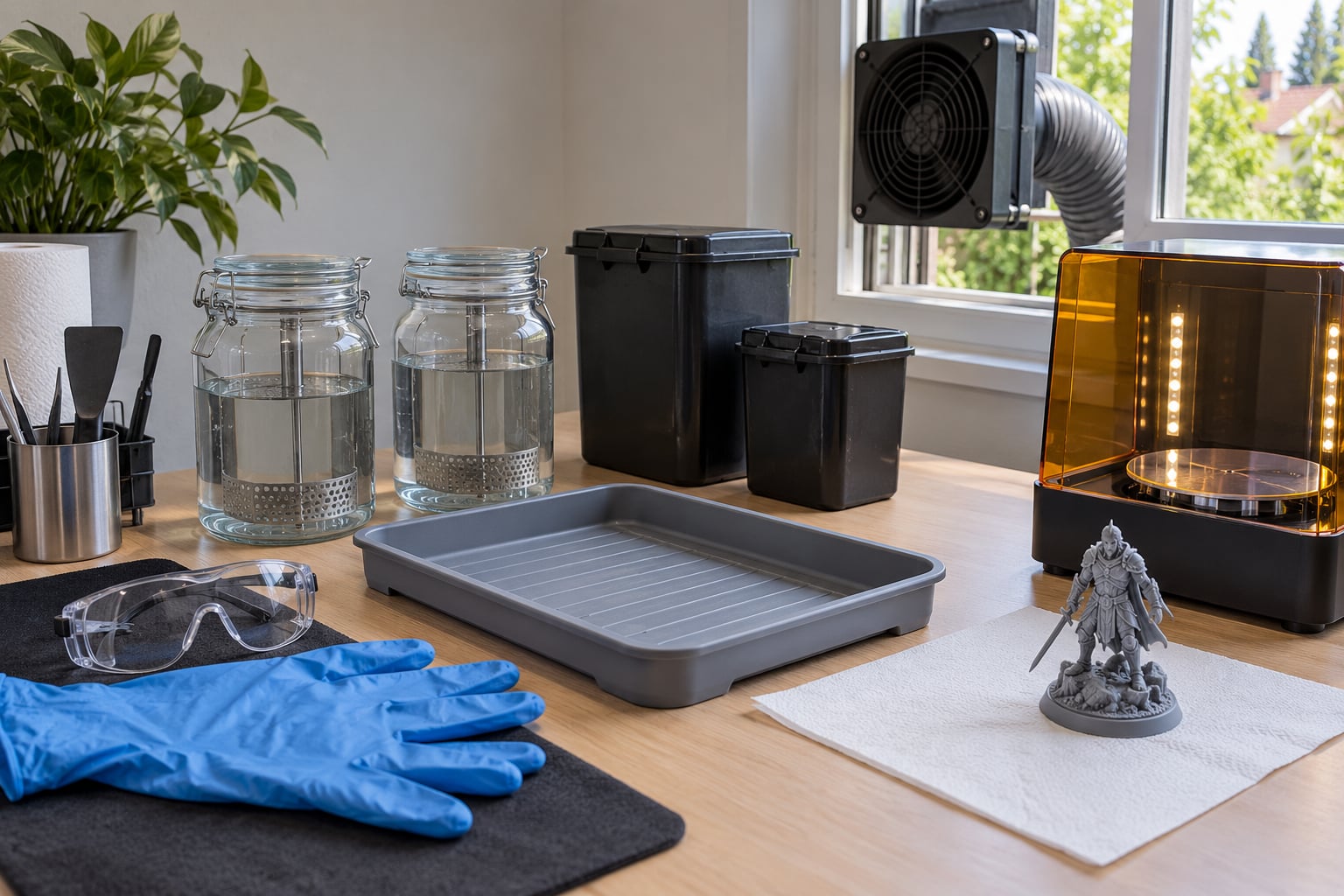
How to wash and cure resin prints safely comes down to three jobs: dissolve the uncured resin off the part with the right solvent … Read more
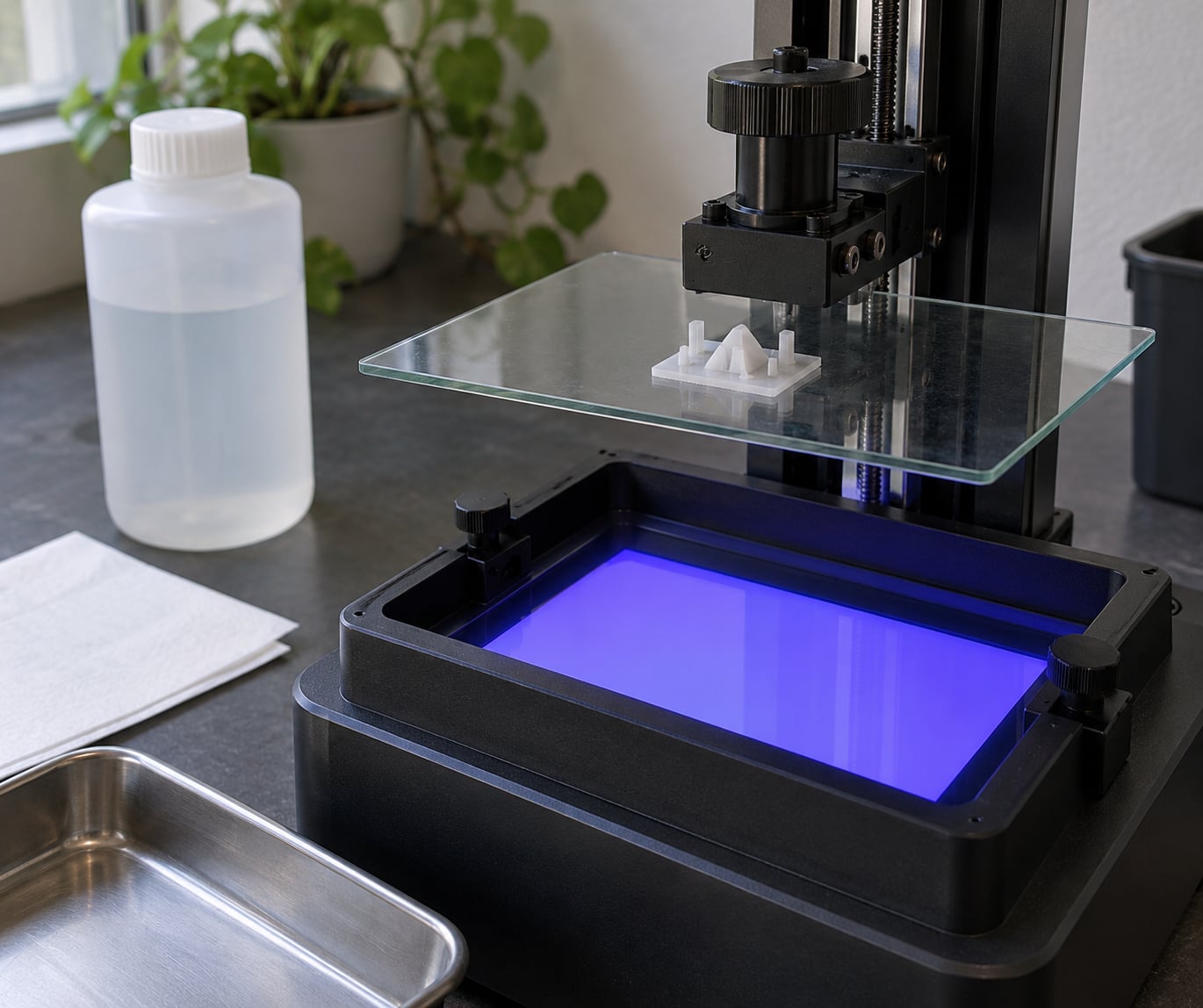
If you want the short answer first: why my resin prints are failing to stick to the build plate comes down to a tug-of-war. … Read more